Transportation Engineering
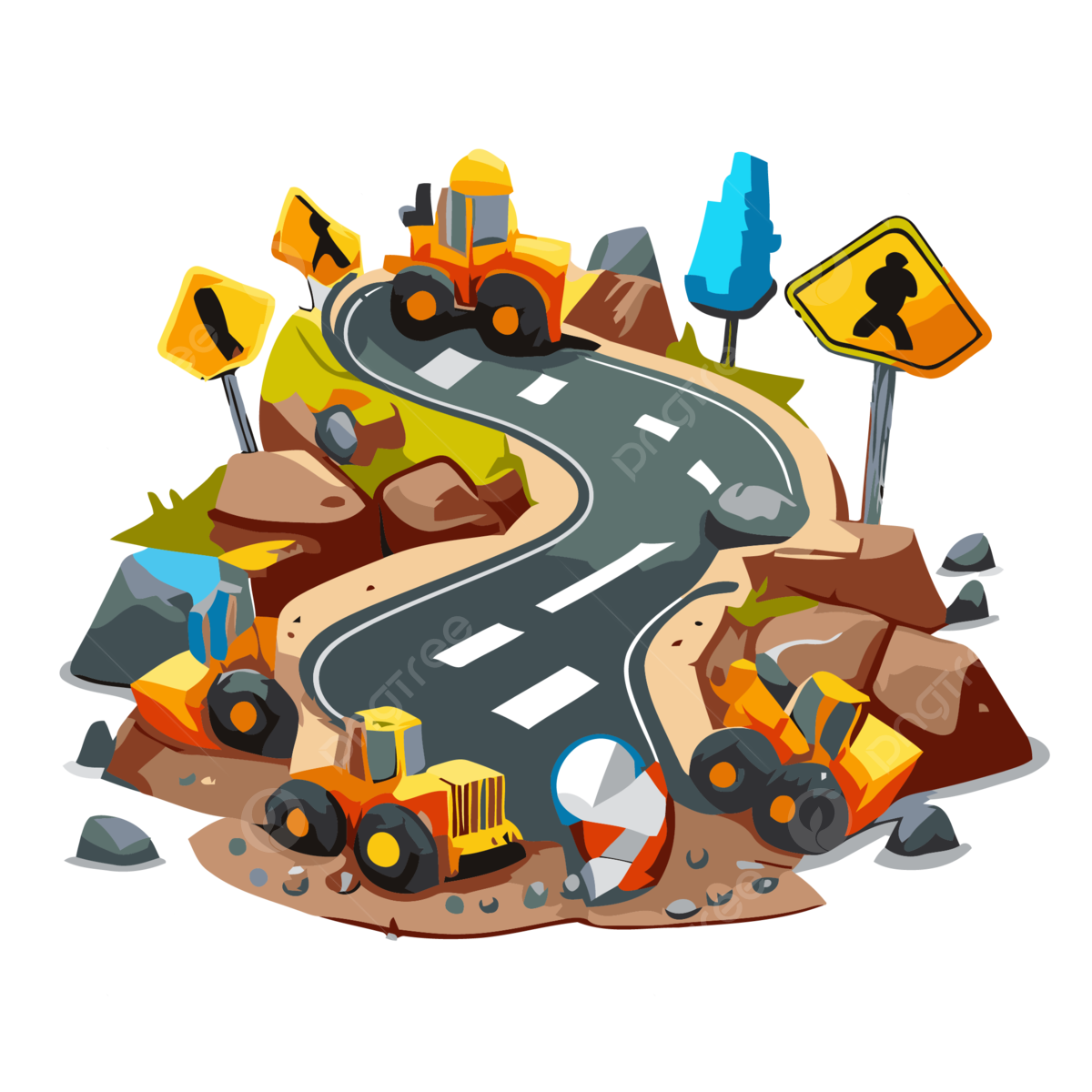
Transportation engineering deals with the planning, design, operation, and maintenance of transportation systems to ensure the safe, efficient, and sustainable movement of people and goods. This includes roads, bridges, rail systems, airports, and ports. The goal is to optimize the performance of transportation networks and integrate them effectively within the urban environment.
Structural Engineering
Structural engineering focuses on the design and analysis of structures that support or resist loads, such as buildings, bridges, tunnels, and dams. These engineers ensure these structures are safe, stable, and durable over their intended lifespans. They deal with challenges related to materials, environmental conditions, and loading scenarios to ensure structural integrity.
Environmental Engineering
Environmental engineering integrates science and engineering principles to improve and protect the environment. This field addresses issues such as water and air pollution, waste disposal, and recycling. Environmental engineers design systems for water treatment, waste management, and pollution control to minimize the impact of human activities on the natural world.
Geotechnical Engineering
Geotechnical engineering focuses on understanding the engineering behavior of earth materials. It is essential for assessing site conditions and material properties for the design and construction of foundations, slopes, retaining structures, and underground facilities. Geotechnical engineers analyze soil and rock mechanics to ensure stability and prevent failures.
Transportation: Not Provided
Language: Nepali Hindi